
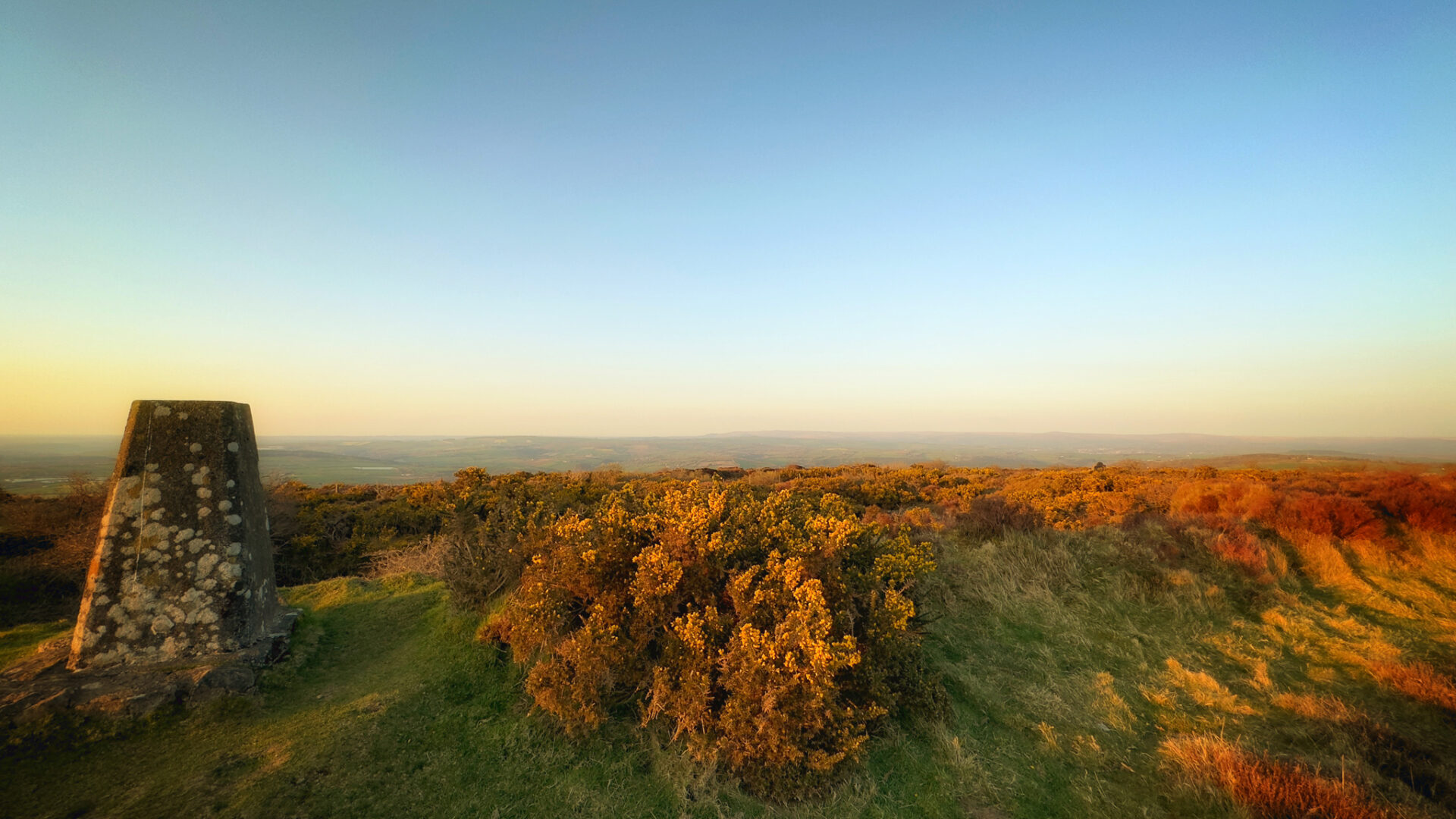
Tamar Valley National Landscape
The Tamar Valley is designated as a National Landscape (formerly AONB) under the Countryside and Rights of Way Act 2000 (CRoW), with a statutory purpose to conserve and enhance natural beauty. Under Section 85 of the Act, a duty is placed on all public bodies to seek to further this purpose in any decisions affecting the area, and it states that every National Landscape (AONB) must have a Management Plan that sets out the policies for managing the area, to be reviewed at least every five years. Local authorities that fall within a National Landscape are jointly responsible for preparing and adopting these plans.
The Levelling Up and Regeneration Act 2023 (LURA) strengthens this duty, requiring relevant authorities to actively further the purposes of designation, rather than simply “have regard to” them. It also enables the Secretary of State to direct authorities, link Management Plans to national environmental targets, and require contributions to plan preparation and delivery.
Under the Environment Act 2021, Local Nature Recovery Strategies (LNRS) are now a statutory requirement. These strategies identify priority areas for habitat creation and improvement, aiming to restore 500,000 hectares of wildlife-rich habitat by 2042, halt species decline by 2030, and increase woodland cover and water quality. Tamar Valley’s Management Plan has been co-developed alongside LNRSs for Devon and Cornwall, ensuring alignment with nature recovery, climate resilience, and community wellbeing goals.
The Environmental Improvement Plan 2025 (EIP25) sets national targets including the “30 by 30” commitment to protect 30% of land and sea for nature by 2030: Government criteria for 30by30 . Protected Landscapes are expected to contribute to three key goals: thriving wildlife, climate adaptation, and enhanced beauty and heritage. These ambitions are coordinated through the non-statutory Protected Landscapes Targets and Outcomes Framework (PLTOF).
Planning authorities must treat National Landscapes as “sensitive areas” under EIA Regulations and consider Management Plans as material planning considerations. While not formal consultees, National Landscape partnerships offer valuable local insight. Natural England remains the statutory consultee for landscape-related planning matters.
The Tamar Valley Management Plan also anticipates the forthcoming national Land Use Framework, which will guide strategic land decisions balancing food security, climate action, and nature recovery. Though not yet launched, it is expected to influence future policy and funding.