
Landscape Character & Scenic Qualities Policies & Actions
LCSQ1
Support sustainable development and other projects in, and within the setting of, the National Landscape that individually, and cumulatively, both conserve and enhance the distinctive characteristics, special qualities, valued features and important heritage of the National Landscape, with particular regard to landscape sensitivity and capacity.
LCSQ2
Maintain and where possible increase, levels of tranquillity and dark skies, by minimising intrusive noise and light pollution to safeguard special qualities.
LCSQ3
Ensure developments and projects follow a landscape-led approach* and reflect local distinctiveness in terms of design, scale, materials, layout and landscaping, based on an evidenced review of its landscape / townscape / seascape context, underpinned by an understanding of the distinctive relationship of vernacular buildings and settlements with the landscape itself.
LCSQ4
Seek opportunities to strengthen landscape and estuarine character, conserving and building resilience in landscape features where they are in poor condition, missing or fragmented.
LCSQ5
Protect ancient woodland, trees and other important features and semi natural habitats in order that they can contribute to the conservation and enhancement of the natural beauty of the National Landscape.
* A ‘landscape-led approach’ means designed, located and implemented in a way that it positively contributes to the purpose of National Landscape designation.

Priority Actions – Landscape Character & Scenic Qualities
LCSQ Action 1
Promote the importance of using technical assessments, such as Landscape Character Assessments, Landscape and Visual Impact Assessments and Appraisals, to inform development and other projects, to ensure that the Special Qualities of the TVNL are conserved and enhanced and that adverse impacts on the character and scenic qualities of the landscape are avoided or mitigated.
LCSQ Action 2
Promote approaches to managing settlement edges that maintain the character of the designated landscape, including the use of appropriate buffers or landscape sensitive transitions where appropriate.
LCSQ Action 3
Promote the creation and use of up-to-date Landscape Character Assessments and other evidence that supports National Landscape policies.
LCSQ Action 4
Develop best practice and ideas to help address light pollution, threats to tranquillity and creeping urbanisation.
Historic Environment & Local Distinctiveness Policies & Actions
HELD1
Preserve and enhance all aspects of the historic environment and the remarkable heritage of the TVNL (including World Heritage Sites). This will include designated and non-designated heritage features of the landscape and built environment identified within the special qualities of the TVNL and the relationship between features and their landscape/townscape setting.
HELD2
Promote the use of Historic Environment Record (HER), Historic Landscape Characterisation and other tools to inform projects, policymaking and management activities.
HELD3
Promote regenerative tourism within the heritage of the TVNL to secure that heritage for the future, benefit the local economy and to enhance enjoyment and understanding for the public, where this is compatible with the purposes of the National Landscape designation.
HELD4
Proposals within the Cornwall and West Devon Mining Landscape World Heritage Site (WHS) and its setting should avoid harm and be designed in a way which pays particular regard to the significance and attributes of the Outstanding Universal Value of the World Heritage Site and be in accordance with the WHS Management Plan in line with national guidance and the NPPF. Development proposals that suitably preserve those elements of the setting of a World Heritage Site that make a positive contribution to it (or which better reveal its significance) will be supported.

Priority Actions – Historic Environment and Local Distinctiveness
HELD Action 1
Further develop the body of knowledge regarding the full breadth of the heritage represented within the National Landscape, from prehistory to the present day, to improve and extend the understanding of local distinctiveness.
HELD Action 2
Encourage communities to record elements of their non-designated local heritage, support projects that increase awareness and understanding of those assets and, encourage their inclusion in the Historic Environment Record and propose new designations where appropriate.
HELD Action 3
Promote and sustain traditional skills in the management of the built heritage and natural environment to sustain the local distinctiveness of the TVNL.
HELD Action 4
Work with Historic England, landowners and funding bodies to target the conservation of assets on the Heritage at Risk Register.
HELD Action 5
Ensure a legacy and archive for past heritage projects, including mining and market gardening, and continue collaboration between the National Landscape and WHS Partnerships and teams to achieve the purposes of the two designations.
HELD Action 6
Promote the production and use of distinctiveness assessments and design guidance. Promote community-led conservation initiatives.
Biodiversity and Geodiversity Policies & Actions
BG1
Conserve and enhance the abundance and connectivity of biodiversity in the TVNL by establishing resilient Nature Recovery Networks across the National Landscape and in its setting with the ambition to halt and reverse the decline in biodiversity. This should be achieved in accordance with the actions of the Tamar Valley Nature Recovery Plan.
BG2
Promote the conservation and recovery of native species and appropriate climate resilient species. Raise awareness of impact and control of invasive non native species and biosecurity, and be a source of best practice information.
BG3
Proposals that are likely to impact on the biodiversity of the National Landscape shall further the purpose of the National Landscape for its identified special features and special qualities, the Tamar Valley Nature Recovery Plan and Landscape Character Assessments guidelines.
BG4
Measures to conserve and restore biodiversity (including actions within the Tamar Valley Nature Recovery Plan) should be delivered in a way that is compatible with conserving and enhancing the natural beauty of the TVNL, its cultural heritage and historic environment.
BG5
Support the identification, conservation and enhancement of geodiversity and biodiversity within the TVNL and its setting.

Priority Actions – Biodiversity and Geodiversity
BG Action 1
Work in partnership to deliver landscape and habitat restoration projects, improve habitat condition, enhance connectivity, support sustainable land management and engage communities in nature stewardship.
BG Action 2
In partnership with others, help develop and deliver projects to halt and reverse the decline in native species, enhance climate and disease resilient species and manage invasive non-native species.
BG Action 3
Work in partnership to support the identification, monitoring, protection and positive management toward favourable condition status of Sites of Special Scientific Interest, County Wildlife Sites and Geological Sites.
BG Action 4
Work with landowners, charities, statutory agencies and funding bodies to establish and deliver large-scale landscape and habitat restoration projects.
BG Action 5
Work at a regional scale with aligned providers to establish suitable habitat bank sites in line with the Tamar Valley Nature Recovery Plan to direct Biodiversity Net Gain requirements arising from development within the Tamar Valley National Landscape area.
River & Estuarine Use and Management Policies & Actions
REUM1
Support a coordinated, strategic approach to improve access to the key reaches and view-points of the river with the aim to increase health and wellbeing, where compatible with National Landscape and nature designations.
REUM2
Conserve and enhance the high-quality river and estuary ecosystems to maintain those special qualities which contribute to the ‘rare valley and water’ landscape character.
REUM3
Promote the cultural, historic and economic importance of the rivers and estuaries and support sustainable development where they are compatible with special qualities and National Landscape purposes.
REUM4
Work in partnership through the Tamar Estuary Consultative Forum, Tamar Catchment Partnership and Plymouth Sound National Marine Park to deliver improvements across a catchment scale, across land and sea.
REUM5
Manage water across the catchment through nature-based solutions where possible and adapt to the impacts of Climate Change.
REUM6
Adopt a proactive approach to management of invasives through special actions groups.

Priority Actions – River & Estuarine Use and Management
REUM Action 1
Continue to advise, steer and support the delivery of water quality initiatives through the Tamar Catchment Partnership and participation on the Steering Group.
REUM Action 2
Increase use of the rivers and estuaries and its cultural heritage as a focus for education.
REUM Action 3
Continue to work in partnership to manage invasive species through the Tamar Invasive Group.
REUM Action 4
Create new and manage existing ponds, swales and ditches for wildlife, reconnect rivers to their floodplains, improve access for migratory fish, and establish mosaic riparian buffers.
REUM Action 5
In partnership develop and implement projects at the catchment scale addressing both aspects of land and water use to restore and improve the state of the aquatic environment now and for the future.
REUM Action 6
Support initiatives to undertake additional baseline recording along the rivers and estuaries to identify management needs and opportunities.
Environmental Quality & Climate Policies & Actions
EQC1
Support nature-based solutions, sustainable land management practices, strategic and evidenced measures designed to mitigate against and improve resilience to the effects of climate change, which are delivered in a way that is compatible with conserving and enhancing the natural beauty of the TVNL.
EQC2
Support the transition to low carbon and adoption of renewable energy provided that it is undertaken in a way that seeks to further the conservation and enhancement of the natural beauty of the TVNL, and is compatible with its special qualities, landscape character and heritage value.
EQC3
Support a reduction in the energy and water demands of development (in location and design), promoting principles of passive design, the use of local and reclaimed materials to reduce embodied energy and the sensitive integration of renewable energy. Innovation and green building design within the TVNL should be landscape-led, providing contextually responsive development that is sympathetic to the vernacular scale of buildings and their characteristic integration with the landscape, supporting rural tranquillity.
EQC4
Proactively promote and support activities that protect the natural resources of, and further the sustainable management of, the TVNL.
Priority Actions – Environmental Quality & Climate
EQC Action 1
Explore the role of the TVNL Partnership in furthering the work identified in the Tamar Catchment Pilot project and more recent climate initiatives.
EQC Action 2
Review the approaches available for the National Landscape to contribute to options for a low carbon economy.
EQC Action 3
Improve the understanding of the implications of climate change for farming practices and the potential impacts of such on the landscape and built heritage.
EQC Action 4
Improve the understanding of the implications for sea level rise, the consequent habitat loss and mitigation proposals, and explore the TVNL’s role in delivering sustainable solutions.
EQC Action 5
Seek solutions to reduce mine pollution and risk of future events whilst meeting landscape and biodiversity targets, including supporting rare and specialist species that require bare spoil heap habitats.
EQC Action 6
Support local action to achieve net zero at a landscape level, working with residents, businesses and communities, aiming to reduce emissions and delivery of nature-based solutions.
EQC Action 7
Support agri-tech applications, agricultural regeneration, clean transport, energy saving and property retrofitting.
EQC Action 8
Engage partners, home-owners and business owners and encourage installation of solar panels, air source heat pumps and domestic turbines where they are identified as appropriate.
EQC Action 9
Support the understanding and development of community energy hubs as a form of improving energy security and resilience.
EQC Action 10
Support communities to identify grants.
EQC Action 11
Support the piloting of the Tamar Valley Doughnut Model reporting tool and other tools in development, especially around data collection and impact assessments.
Farming, Forestry & Land Management Policies & Actions
FFLM1
Promote and support land management systems that are environmentally sustainable, economically viable and compatible with the purposes of the National Landscape designation.
FFLM2
Promote the sensitive management of small woodlands, orchards and hedges, to enhance biodiversity, safeguard the historic environment, and improve the farming economy.
FFLM3
Support and promote short food and timber supply chains where this is compatible with the purposes of the National Landscape designation.
FFLM4
Enhance Nature networks and connectedness, promoting nature-friendly corridors across the farmed landscape, including grass and scrub margins, rough grass buffer strips and positive management of County Wildlife Sites.
FFLM5
Promote and support training in traditional rural skills that will help to conserve and enhance the TVNL.
FFLM6
Minimise the use of chemical herbicides in the management of Invasive Non-Native Species, in habitat creation and management, unless it is rigorously proven to be absolutely necessary.
FFLM7
Promote land use practices that aim to minimise water run-off, reducing the impacts of soil erosion, sedimentation and pollution of aquatic systems.
FFLM8
Promote natural flood management interventions and opportunities to reduce erosion of heritage assets as part of these schemes.
Priority Actions – Farming, Forestry & Land Management
FFLM Action 1
Support the development of landscape-scale initiatives, building on learning from projects such as Cordiale: Tool-kit-for-Communities-Small-Woodlands-and-Hedges
FFLM Action 2
Seek opportunities to support High Nature Value Farming to benefit both farmers and the environment.
FFLM Action 3
Manage woodlands to ensure a diverse age and canopy structure, create open space and habitat, increase deadwood, retain and manage scrub understorey and margins, employ low-impact silvicultural systems, and obtain Forestry Commission approval for managed woodland or create and implement a UKFS-compliant management plan for unmanaged woodland.
FFLM Action 4
Integrate sustainable and regenerative forestry practices; restore native species to plantations on ancient woodland sites; use grazing, pig rootling, or cyclic management; manage bracken with interspersed grassy patches; and protect and preserve ancient and veteran trees.
FFLM Action 5
Establish new woodland through partnership delivery models such as the Plymouth and South Devon Community Forest and Forest for Cornwall, and promote woody scrub and mosaics. Prioritise native seed sources and natural colonisation, establish a diverse and resilient mix of tree species, maintain trees outside of woodlands, and restore and establish new areas of woodland pasture, parkland and orchards.
FFLM Action 6
Reduce use of chemical treatments, pesticides and artificial fertiliser, review soil health regularly, and reduce water run-off through nature-based solutions such as hedgerow reinstatement, establishment of field margins and tree planting.
FFLM Action 7
Maintain hedgerows that are tall, thick and bushy; trim hedges on a minimum three-year cycle; encourage annual fruiting and flowering; maintain standing trees; manage flower-rich grasslands; and connect habitats with wildlife-friendly corridors.
FFLM Action 8
Enhance monitoring and management of Sites of Special Scientific Interest (SSSIs), County Wildlife Sites and Scheduled Monuments, taking action to address pressures and bring them into favourable condition.
FFLM Action 9
Restore and expand coverage of remaining wet valley bottom woodlands which were historically prevalent throughout the Tamar Valley.
FFLM Action 10
Support partners to expand market gardening sensitively within the Tamar Valley.
Access, Recreation and Tourism Policies & Actions
ART1
Promote a co-ordinated, strategic approach to the management of public rights of way and publicly accessible land to achieve an accessible, well-connected network. The approach should focus on conserving and enhancing the special qualities of the National Landscape, improving access and connectivity with surrounding areas and opportunities for health and wellbeing, avoiding impacts on sensitive sites, and minimising conflict between different interests.
ART2
Promote high-quality access to the National Landscape and its special qualities for as wide a range of users as possible, where this is compatible with the purposes of the National Landscape designation.
ART3
Tourism and recreation provision will be supported where they contribute to the local economy without harm or detriment to the Tamar Valley landscape, historic environment, biodiversity or tranquillity, and where they respect the Valley’s special qualities.
ART4
Promote the use of sustainable transport throughout the TVNL, working collaboratively with transport providers, visitor attractions and communities, where it is compatible with the purposes of the National Landscape designation.

Priority Actions – Access, Recreation and Tourism
ART Action 1
Engage with Devon County Council in reinstating the rail link between Bere Alston and Tavistock to mitigate any negative impact on the National Landscape, and to improve or enhance levels of service for local communities and connections to the railway.
ART Action 2
Continue to promote the value of the landscape to local businesses, including supporting Visit Tamar Valley.
ART Action 3
Maintain and promote existing and new opportunities for recreation within the TVNL, with particular focus on joining up existing routes and the formation of circular walking routes, and promoting outdoor health and wellbeing activities, including support for walking groups.
ART Action 4
Develop and promote a series of ‘days out’ in the Tamar Valley, paying attention to opportunities to promote local attractions and services, and to the use of sustainable transport options where available.
ART Action 5
Work with partners to enhance the Tamara Coast to Coast Way towards meeting the criteria for proposal as a National Trail.
ART Action 6
Support Visit Tamar Valley to further develop and promote standards for sustainable tourism in the Tamar Valley: Green Tourism Programme – Visit the Tamar Valley.
ART Action 7
Improve awareness of species sensitive to recreational disturbance and promote measures to reduce impacts.
Planning & Development Policies & Actions
P&D1
Encourage and ensure that natural beauty criteria, special qualities, special features and landscape character are assessed by Local Planning Authorities when considering any scale of planning applications in, or within the setting of, the National Landscape.
P&D2
Encourage development in the National Landscape that maintains or delivers environmental growth and cultural capital, conserving and enhancing landscape features that are distinctive or typical of the Tamar Valley.
P&D3
Encourage all relevant strategic, local and neighbourhood plan making and planning decision making to:
- Seek to further the conservation and enhancement of the natural beauty of the National Landscape.
- Utilise the Management Plan and consider other Tamar Valley statements and guidance.
- Ensure that conserving and enhancing landscape and scenic beauty is given substantial weight (as of NPPF December 2025 changed from ‘great weight’).
P&D4
The scale and extent of development within the TVNL should be focused on providing for the identified local needs of its communities, contributing to economic and social wellbeing, resilience to climate change and principles of sustainable development in a manner that is compatible with conserving and enhancing the natural beauty of the TVNL and the management of this valuable natural resource.
P&D5
Major development should be assessed on a case-by-case basis within the TVNL and only supported in exceptional circumstances, subject to the tests and mitigations set out in the National Planning Policy Framework and guidance.
P&D6
Positive measures designed to avoid or mitigate the negative impact of existing or future infrastructure, development and landscape detractors within the TVNL will be encouraged.
P&D7
Support housing development that meets proven local needs and aspirations of communities within the TVNL-particularly at parish level-where it can be shown that the landscape capacity and opportunity to conserve and enhance the National Landscape can be demonstrated.
P&D8
Support will be given to additional mitigation measures at disused and existing mines and quarries within the National Landscape, and those affecting its setting, that enhance the special qualities of the National Landscape and where such mitigation and measures does not negatively impact the ability of such sites and attributes to express the Outstanding Universal Value of the World Heritage Site.
P&D9
Protect approaches to managing settlement edges that maintain the character of the designated landscape, including the use of appropriate buffers or landscape sensitive transitions where appropriate.
P&D10
The character of skylines and open views into, within and out of the National Landscape should be protected and enhanced, paying particular attention to the importance of assessing the visual impact of development from rivers and estuaries as well as from land.
P&D11
It is not considered appropriate to site new waste storage, processing and treatment developments within the National Landscape or where it would affect its setting.
P&D12
The move towards low-carbon and renewable energy should be delivered in a way that supports the conservation and enhancement of the natural beauty of the TVNL. Renewable energy solutions must be compatible with its special qualities, landscape character, and heritage value, ensuring that they respect and reinforce the area’s unique identity.
Priority Actions – Planning & Development
P&D Action 1
Influence pre-application discussions on major and significant developments within, and within the setting of, the National Landscape.
P&D Action 2
Respond to planning consultations and offer technical advice where appropriate, in line with our planning statement and planning protocols with the relevant local authorities.
P&D Action 3
Raise awareness of the importance of the National Landscape within the creation of Neighbourhood Development Plans and Local Plans.
P&D Action 4
Champion the reduction of light pollution and the benefits of dark skies through sensitive housing design, layout and lighting.
P&D Action 5
Encourage more sustainable energy installations on commercial and domestic properties, such as solar panels, wind turbines, and ground and air source heat pumps, where they are incorporated sensitively.
P&D Action 6
Encourage all developments to include provision for wildlife as well as green and blue infrastructure within their plans.
Communities & Culture Policies & Actions
CC1
Work with communities towards an improved understanding of locally distinctive features and encourage them to widely communicate those special qualities.
CC2
Assist and encourage local communities in the development and use of community-planning tools, to ensure that the landscape character and special qualities of the National Landscape are adequately protected in development plans.
CC3
Encourage and support local communities to celebrate their cultural identity and sense of place through events and activities that reinforce the cultural traditions of the National Landscape.
CC4
Support initiatives for sustainable, joined up, public transport, consistent with the National Landscape’s purposes.
CC5
Support initiatives that contribute to a sustainable future for communities within the National Landscape, consistent with the National Landscape’s purposes.
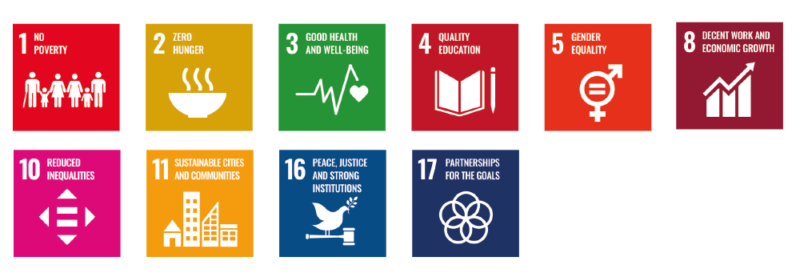
Priority Actions – Communities & Culture
CC Action 1
Explore opportunities and priorities for continuing the Cordiale and Tamara project legacies of community-led activities: tamaralandscapepartnership.
CC Action 2
Develop and promote the Tamar Valley’s natural and cultural heritage as a resource for promoting the health and wellbeing of its constituent and surrounding communities.
CC Action 3
Continue to promote creativity inspired by the landscape.
CC Action 4
Encourage community participation in decision making through forums such as parish councils and local environmental partnerships.
Communication, Education and Awareness Policies & Actions
CEA1
Support the development of a coordinated volunteer service for the National Landscape, working with the Tamar Community Trust, Friends of Tamar Valley, National Trust and others to inspire and foster connection with the Tamar Valley.
CEA2
Support collaboration that promotes communicating an understanding and appreciation of the natural and cultural landscape of the Tamar Valley and the benefits to personal wellbeing.
CEA3
Promote events to celebrate the purposes of the National Landscape, engaging the public in the enjoyment of the landscape and the opportunities it affords for recreation and learning, and to engender a sense of ownership.
CEA4
Support educational opportunities that seek to aid awareness of the landscape, environment and communities of the Tamar Valley and are in line with the purposes of the National Landscape.

Priority Actions – Communications, Education and Awareness
CEA Action 1
Continue to provide and maintain high quality interpretation of the National Landscape.
CEA Action 2
Communicate key messages and information via a range of media to local, national and international audiences.
CEA Action 3
Seek opportunities to create and implement a TVNL education strategy.
CEA Action 4
Implement the TVNL Volunteer Strategy, in partnership with Tamar Community Trust and Friends of the Tamar Valley.
CEA Action 5
Investigate how the TVNL and local businesses can work together for their mutual benefit to promote the unique qualities of the TVNL.
CEA Action 6
Identify opportunities and partners to deliver events similar to the Tamar River Festival, within the constraints of available resources and partner priorities.
CEA Action 7
Promote and support national initiatives such as Education Nature Parks.