
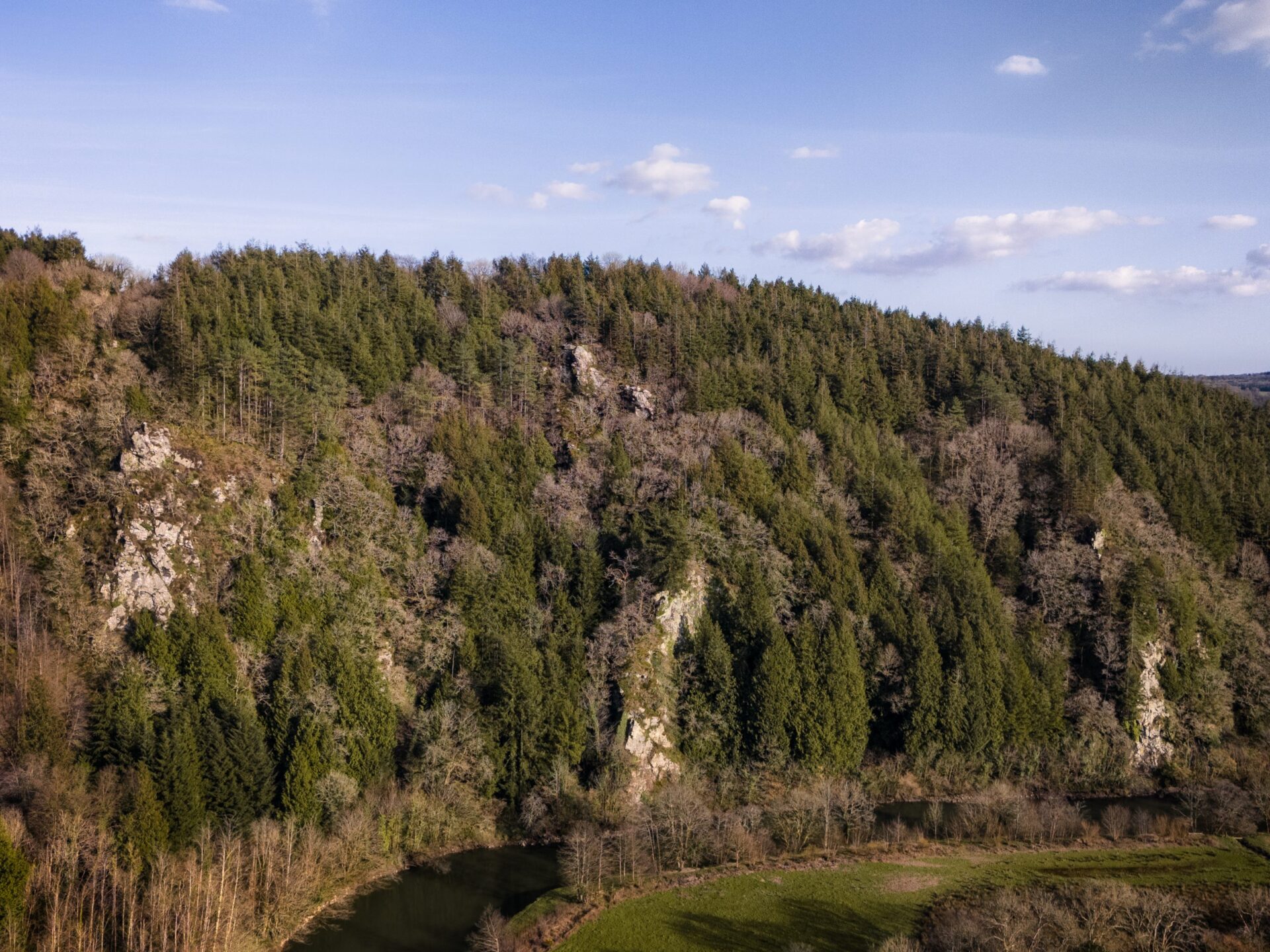
The beauty of the Tamar Valley has resulted from the relationship between people and place. It encompasses everything – natural and cultural – that makes an area distinctive. It includes the area’s geology and landform, its climate and soils, its wildlife and ecology, and is enriched by the history of human settlement and land use over centuries. The cultural, perceptual and aesthetic dimensions of landscape are recognised elements of ‘natural beauty’.
Natural England developed a list of factors contributing to natural beauty: landscape (scenic), quality, relative wildness, relative tranquillity, natural heritage features (flora, fauna, geological and physiographical features) and cultural heritage.
These special qualities of the TVNL are unique and specific components of its natural beauty which individually, and in combination, we need to conserve and enhance. The continued evolution of the landscape need not be detrimental to its natural beauty if guided and directed by appropriate planning, conservation and land management policies.
Development proposals should demonstrate how they have responded positively to the National Landscape designation, delivering conservation AND enhancement, by considering the following:
- Natural beauty components and Special Qualities (distinctive characteristics of natural beauty);
- Forces for change / threats / opportunities for enhancement;
- Policies of the Tamar Valley National Landscape Management Plan (which should be read as a whole);
- Landscape Character Assessments that cover the Tamar Valley National Landscape;
- Guidance on applying section 85 of the Crow Act by the National Landscape Association;
- Planning guidance within the Tamar Valley National Landscape.
All local authorities have a duty to further the purposes of conserving and enhancing the natural beauty of the TVNL under s.85 of the CRoW Act and the National Planning Policy Framework (NPPF) provides specific planning guidance for plan-makers and decision-takers in relation to National Landscapes.
The Government published a draft new National Planning Policy Framework in December 2025. The framework continues to emphasise that great weight should be given to conserving the landscape and scenic beauty of National Landscapes and that they have the highest status of protection in relation to these issues.
It confirms that the scale and extent of development in National Landscapes should be limited, and major development refused other than in exceptional circumstances, while development within their setting should be sensitively located and designed to avoid or minimise adverse impacts on the designated areas. The National Planning Practice Guidance confirms that NPPF policies for protecting these areas may mean that it is not possible to meet objectively assessed needs for development in full through the plan-making process, and that they are unlikely to be suitable areas for accommodating unmet needs from adjoining (non-designated) areas.
National Landscape Management Plans can guide development for positive and sustainable change within their boundaries focused on the socio-economic needs of their communities (especially those that further National Landscape purposes) alongside the growth of green spaces, healthy environments, nature recovery and nature-based solutions, which are all needed to balance the wider growth and development agenda.
The Management Plan and supporting documents should help Local Planning Authorities, developers and land/homeowners understand the landscape’s capacity for change and assess impact. Mitigation is a response to harm, a way of ameliorating but not eliminating impact, and should not be a justification for allowing inappropriate development. A clear understanding of the National Landscape’s special qualities and distinctive characteristics will help to develop proposals which avoid harm and deliver enhancement opportunities.